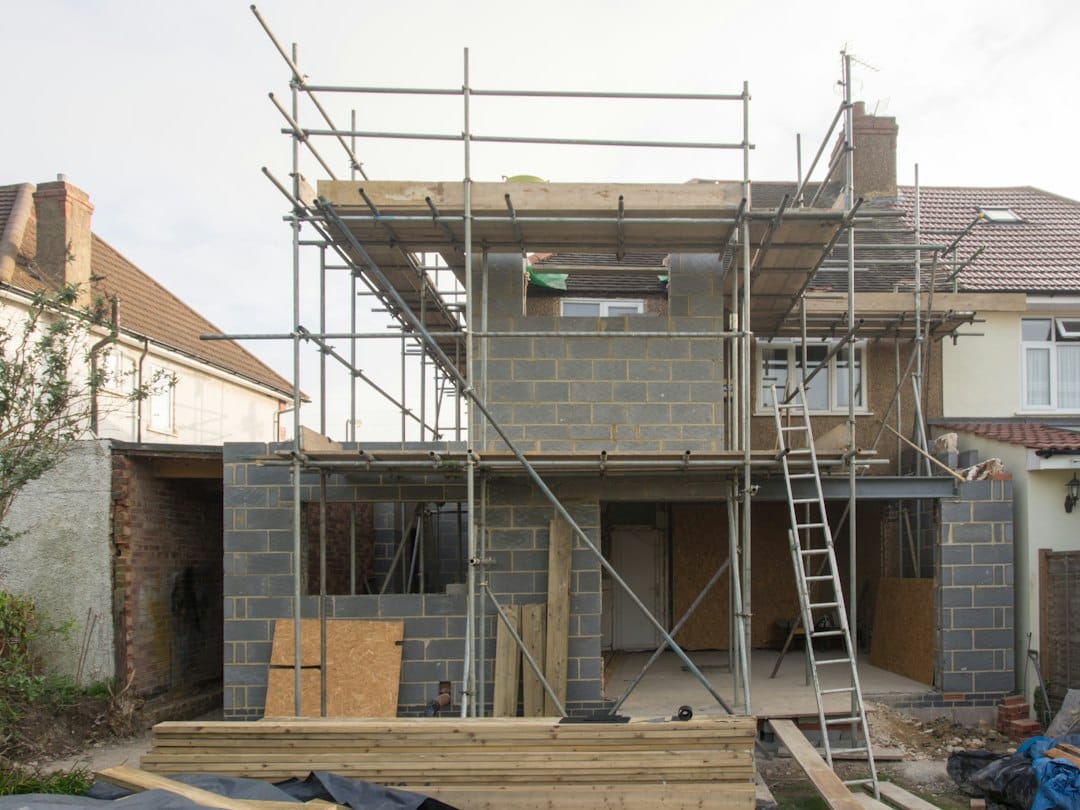
Building regs and planning permission are not the same
Sellers often mix these up:
- Planning permission is about whether the work was allowed at all, for example the size or look of an extension.
- Building regulations approval is about whether the work was built safely: structure, fire safety, drainage, insulation, electrics and so on.
Work such as loft conversions, garage conversions, structural alterations, replacement windows, boiler installations or electrical rewiring may require building regulations compliance and appropriate certification. The requirements depend on the work, its date and any exemptions or competent-person scheme route.
Why it comes up when you sell
Your solicitor will ask you to complete the Law Society’s Property Information Form (TA6). It asks about building works and whether you have approvals and completion certificates. The buyer’s solicitor then checks the answers, and the buyer’s lender may refuse to lend until the issue is dealt with.
Do not guess or hide the answer. Giving wrong information on the form can lead to a claim against you after the sale.
Your four options
1. Find the missing paperwork
The work may have been approved and the certificate simply lost. Check:
- Your local council’s building control department, which keeps records of past applications and completion certificates.
- Competent person scheme registers. Windows, boilers and electrical work are often signed off by a registered installer instead of the council. FENSA (windows), Gas Safe (gas boilers) and the electrical schemes can usually reissue a certificate.
2. Get retrospective approval (a regularisation certificate)
For eligible unauthorised work carried out after 11 November 1985, a local authority building control body may consider a regularisation application. It may require inspections, opening up work and remedial measures; fees apply. Ask the relevant local authority whether this route is available for your property and work.
Pros: an issued certificate can address the approval gap for the assessed work and reassure some buyers. Cons: approval is not guaranteed; inspections or repairs can be costly, and approaching building control can affect the availability of indemnity insurance. Discuss both routes with your conveyancer before contacting the council.
3. Buy building regulations indemnity insurance
A conveyancer may suggest a one-off building regulations indemnity policy, if the circumstances meet the insurer’s eligibility rules. Cover and premiums depend on the specific policy. Such policies generally address specified financial risks linked to enforcement, rather than proving that the building work complies.
Know its limits: it does not make the work safe, and it does not pay for repairs if the work is simply poor. Prior contact with the council about the work may prevent cover or breach policy conditions, depending on the insurer and wording. Some buyers will refuse it and ask for a survey or a price reduction instead.
4. Sell as is, with the issue disclosed
If the work is substantial or the buyer’s lender will not accept it, you can sell to a cash buyer or at auction, where buyers price the risk themselves. This is often quicker but usually means a lower price. Compare what you would actually receive with our net proceeds calculator.
Can the council still take action?
Local authorities have powers to require alteration or removal of certain non-compliant work. The Building Safety Act 2022 changed the time limit for notices under section 36 of the Building Act 1984 from 12 months to 10 years. The commencement and transitional provisions differ between England and Wales, and other enforcement routes or safety powers may also matter. The date, location and nature of the work are crucial: ask a qualified conveyancer or building-control specialist which rules apply.
Which option should you pick?
| Situation | Usually best first step |
|---|---|
| Replacement windows or a boiler with missing records | Check the installer, competent-person scheme or local authority records; ask your conveyancer about insurance if appropriate |
| Structural work (walls, loft, extension) with missing approval | Seek specialist safety advice and discuss whether regularisation is feasible |
| You have doubts about safety | Get a surveyor or engineer to check it before deciding |
| You need a quick sale and a lender will not accept the issue | Compare the implications of resolving it versus an appropriately disclosed cash sale or auction |
If the problem is wider, for example structural movement or a lender refusing to lend, see our guide to selling an unmortgageable property.
Checklist before you put the property on the market
- List the work done. Record what changed, when it happened and which contractors were involved.
- Collect what you already have. Find plans, invoices, warranties and any building-control or competent-person certificates.
- Speak to your conveyancer. Discuss missing approvals and possible insurance before contacting an authority about unapproved work.
- Check any safety concerns separately. Indemnity insurance is not proof that the work is structurally or otherwise safe.
- Give accurate answers. Disclose known issues in the buyer enquiries and compare the cost, delay and risks of each available selling route.
Frequently asked questions
Is it illegal to sell a house without building regs?
A missing certificate does not by itself make selling the property illegal. You must give accurate answers to the buyer’s enquiries, and the underlying work may still have compliance or safety issues.
Should I contact the council before speaking to my solicitor?
Discuss your options with your conveyancer first. Contacting the council may make indemnity insurance unavailable under some policies.
Will a buyer’s survey spot missing sign-off?
A surveyor may flag work that looks recent or non-standard, and the buyer’s solicitor will ask for certificates. It is better to raise it yourself at the start.
Sources: GOV.UK: Building regulations approval; Building Safety Act 2022, section 39. For work in Wales, confirm the applicable commencement and transitional rules with your adviser. This article is general information only. Speak to a solicitor, licensed conveyancer or surveyor about your property.